Scratching in the attic at night in Concord is rarely a trapping problem first. It is an entry problem. Rats and mice get in through gaps at the roofline, vents, pipe penetrations, and garage doors that do not seal, then they travel inside walls and insulation. Traps inside can catch the animals already there, but if the holes stay open, new ones replace them.
Poison alone fails for a practical reason too: it does not close a single hole, animals can die in a wall void you cannot reach, and bait placed outdoors can be eaten by animals that were never in your house. Exclusion, the work of finding and sealing entry points with materials rodents cannot chew through, is the step that ends the cycle. The calendar below follows how that work changes across a Piedmont year.
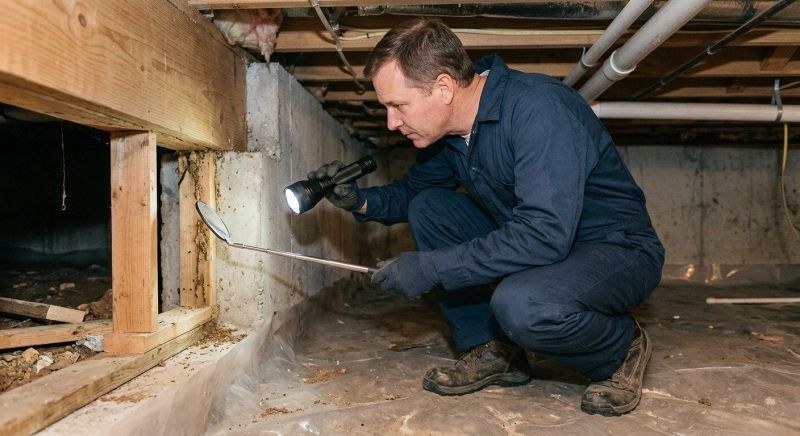
Why the hole matters more than the trap
A mouse can squeeze through an opening about the size of a dime, and a rat through one about the size of a quarter. Those are standard field rules, and they explain why a careful inspection looks small: a lifted shingle edge, a gap where a plumbing line enters, a vent screen pushed loose, a corner where siding and soffit do not quite meet. One gap is enough for a whole winter of noise.
Sealing has to use the right material. Foam alone is a snack and a nesting shred. Proper exclusion pairs a tight fit with metal based materials such as hardware cloth, metal flashing, or copper mesh packed into gaps before sealing, chosen for the spot. Traps then have a clear job: remove the animals already inside once they can no longer come and go freely, and confirm the attic goes quiet.
| Season | What rodents are doing | Exclusion work that fits | Signs to check |
|---|---|---|---|
| Early fall | Moving toward warm shelter as nights cool | Full entry inspection before activity peaks | New droppings, rub marks at holes |
| Winter | Living inside attics and walls full time | Seal entries, then trap animals already inside | Night scratching, gnawed wires or wood |
| Spring | Breeding and expanding into new voids | Recheck seals after storms and roof work | Young animals, fresh nesting material |
| Summer | More food and water outdoors, less attic pressure | Repair screens, vents, and garage seals in calm weather | Openings hidden by growing vegetation |
| After any roof or siding job | Testing new gaps left by the work | Inspect every new penetration and edge | Daylight visible at eaves or vents |
A year of small checks beats one big scare
In fall, walk the house before the first cold snap. Look up at the roofline with binoculars if you have them, check that attic and crawlspace vents are screened and intact, and look for the dark grease rub marks rodents leave at a hole they use every night. Trim branches that touch the roof, since a limb is a highway that bypasses every ground level defense.
In winter, listen and look rather than guessing. Droppings in one corner, insulation tunneled into runs, and a sharp ammonia smell all point to regular use, not a single visitor. Store bird seed, pet food, and grass seed in sealed hard containers in the garage, because an easy food source rewards animals for staying close while you try to push them out.
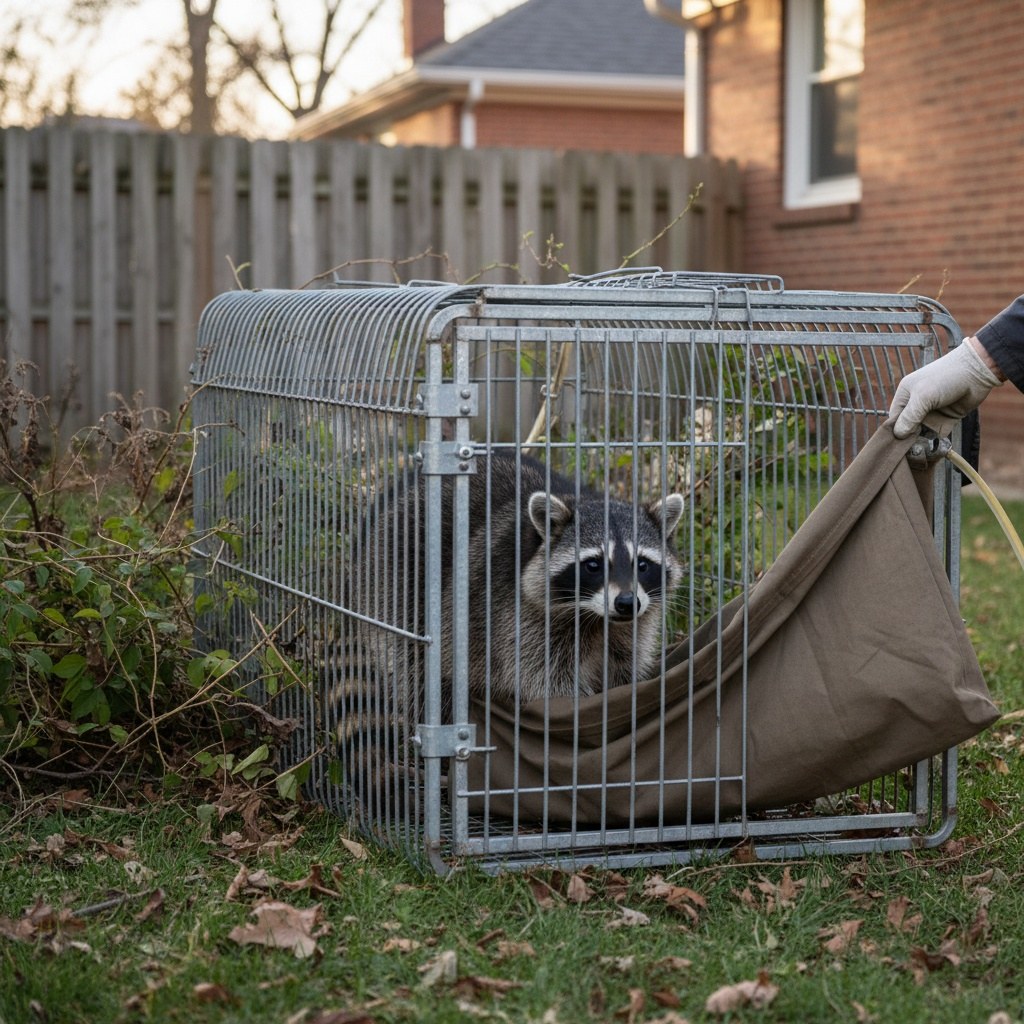
Spring, summer, and the jobs people forget
Spring is when a small winter problem becomes a family. If you heard activity in January and it went quiet, do not assume it solved itself; check for nests and young, and recheck every seal after spring storms, because wind lifts edges and falling limbs open new gaps. This is also when raccoons and squirrels look for attic den sites, which is wildlife removal work, not mouse trapping.
Summer is repair season. Replace a bent vent cover, fix the garage door seal that shows daylight at the corner, and clear the ivy and shrubs hiding the foundation line so you can actually see holes. Keep firewood stacked away from the house. By the time fall returns, the goal is boring: a house with no easy way in, checked on a schedule instead of in a panic at two in the morning. That is the approach Concord Pest Control Pros builds rodent work around in Concord, starting with exclusion.
Common questions
Why not just put out poison?
Poison does not seal entry points, so new rodents keep coming, and animals that die in a wall void can cause odor you cannot reach. Exclusion plus trapping inside addresses the cause and the animals already present.
How small a hole can a mouse use?
About the size of a dime for a mouse and a quarter for a rat are the standard field guides. That is why inspections check pipe gaps, vent edges, and soffit corners closely.
When is attic noise most likely to start?
Fall, as nights cool and rodents look for warm shelter, is the classic start. A pre-season entry inspection in early fall prevents many winter infestations.
Photos in this guide are representative stock images.
← All guides from Concord Pest Control Pros← Back to Concord Pest Control Pros