Finding roaches in a Concord kitchen for the first time usually triggers the same purchase: a fogger. It feels decisive. It is mostly theater. Foggers fill the air of a room, roaches retreat deeper into walls and appliances where the mist never reaches, and the survivors scatter into rooms that had no roaches before. What actually works is less dramatic and more specific: bait where they travel, remove what competes with the bait, and repeat on the egg cycle.
This walkthrough is the order a first treatment follows, if you are starting it yourself on a small problem or watching what a professional visit should look like. If you are seeing roaches in daylight across several rooms, skip ahead and get help, because that level of activity means a population well past the starter stage.
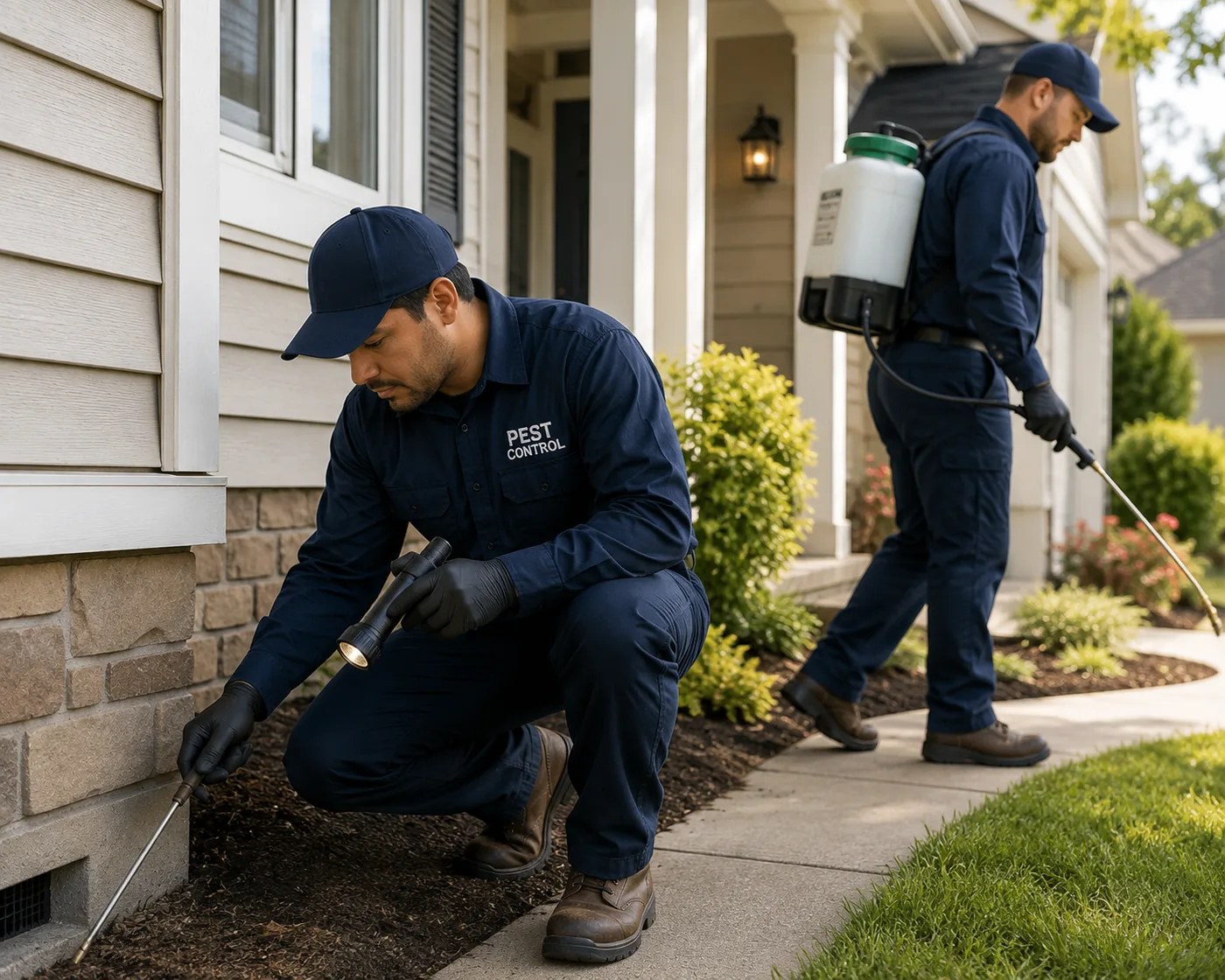
- Identify the roach. Small and tan with two dark stripes means German, an indoor breeding problem. Large and dark usually means an outdoor species visiting, which needs sealing and moisture work instead of cabinet bait.
- Remove the competition. Wipe grease from the stove sides and under appliances, store food in sealed containers, fix the dripping faucet, and empty pet bowls overnight. Bait only works if roaches choose it over easier food and water.
- Vacuum the hiding spots. A vacuum with a crevice tool along baseboards, cabinet hinges, and behind the refrigerator removes live roaches, egg cases, and the debris they feed on, and it does it without scattering them.
- Place gel bait in cracks, not on open counters. Small dabs in hinges, drawer corners, under the sink, and behind appliances, away from children and pets and never where food is prepared. More small placements beat a few big blobs, which dry out.
- Do not spray over the bait. Repellent sprays push roaches away from treated zones and contaminate bait so they will not eat it. This is the most common way a good plan gets undone in the first week.
- Repeat on the hatch cycle. Eggs already laid will hatch over the coming weeks, so refresh bait and recheck in about two weeks, then again. One visit, however thorough, cannot reach insects still inside egg cases.
- Judge by traps, not by vibes. Sticky monitoring traps under sinks and behind the refrigerator give you a count. Falling counts mean the plan works; steady counts mean a hiding spot or a food source was missed.
Sanitation realities, without the lecture
You will hear that roaches mean a dirty house. They do not. German roaches arrive in grocery bags, cardboard, and used appliances, and they can live on remarkably little: crumbs behind a toaster, grease film on a range hood, the glue on a box. A clean home makes bait work better because there is less competition. It does not make an established infestation leave out of embarrassment.
Focus the effort where it counts. The gap between the stove and the counter, the drip pan under the refrigerator, and the cabinet under the sink are worth more than a spotless dining room. Cardboard is the other quiet factor: it is shelter, food, and transport in one, so break down boxes and keep stored cardboard out of the kitchen and pantry.
When first-timer steps are not enough
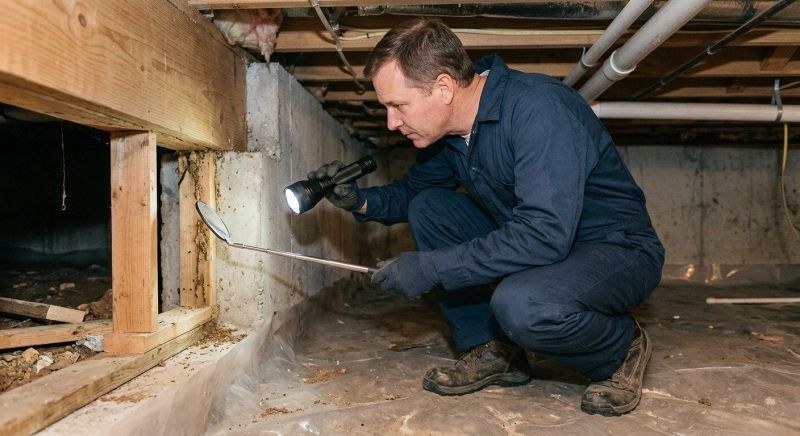
Call for help when activity spans multiple rooms, when you see roaches daily despite bait and sanitation, when someone in the home has asthma that roach debris aggravates, or when the problem is in a rental where wall voids connect units. Professionals bring bait formulations and insect growth regulators homeowners cannot always buy, and a second set of eyes for the hiding spot everyone misses, often the motor housing of a refrigerator or dishwasher.
Expect a real treatment plan to sound a little boring: identification, bait, sanitation notes, a return visit on the hatch cycle, and trap counts. That boredom is the sign it is grounded in how roaches live. The dramatic options, foggers and whole-room sprays, mostly perform for the buyer. In Concord, Concord Pest Control Pros handles roach work this way, starting with which species you actually have.
Common questions
Why did the fogger make it worse?
Foggers rarely reach roaches deep in walls and appliances, and the mist repels survivors into new rooms. Gel bait placed in travel paths, left undisturbed by sprays, is the tool that reduces a population.
How long until bait shows results?
Counts usually drop within one to two weeks, with full control taking several weeks as eggs hatch and new roaches feed. Refreshing bait and rechecking on that cycle is part of the treatment.
Do I need to empty my kitchen cabinets for treatment?
For bait based treatment, usually not completely, though the technician may ask for access under sinks and behind appliances. Ask what preparation is needed when you book, since it varies by method.
Photos in this guide are representative stock images.
← All guides from Concord Pest Control Pros← Back to Concord Pest Control Pros