Mosquito season in Concord usually starts when nights stay warm and rain leaves water sitting in the yard. A treatment can cut the number of bites on your own patio, but it does not create a bubble around the property. Mosquitoes fly in from neighboring yards, woods, and drainage areas, so the goal is fewer mosquitoes where you sit, not zero mosquitoes everywhere.
That limit matters when you decide what to pay attention to first. Source reduction, meaning removing or refreshing standing water, does work no spray can do. Barrier treatments help resting adults in shrubs and under decks. Larvicide helps water you cannot dump. Used together, they are practical. Used alone and expected to do everything, each one disappoints.
Start with the water, not the spray
Female mosquitoes lay eggs in standing water, and in warm Piedmont weather eggs can become biting adults in about a week. Check the places homeowners miss: saucers under flowerpots, clogged gutters, folded tarps, kids toys, birdbaths that never get refreshed, and low spots near downspouts where red clay holds a puddle after a thunderstorm. Dump what you can, scrub the container edge where eggs stick, and refill birdbaths every few days.
If water cannot be dumped, like a rain barrel or an ornamental pond, ask about a larvicide product labeled for that use or add movement or fish where appropriate for a pond. The point is simple: every bucket you empty removes a nursery that no adult treatment has to chase later. Do this walk weekly through summer, and again after heavy rain.
What yard treatments actually do
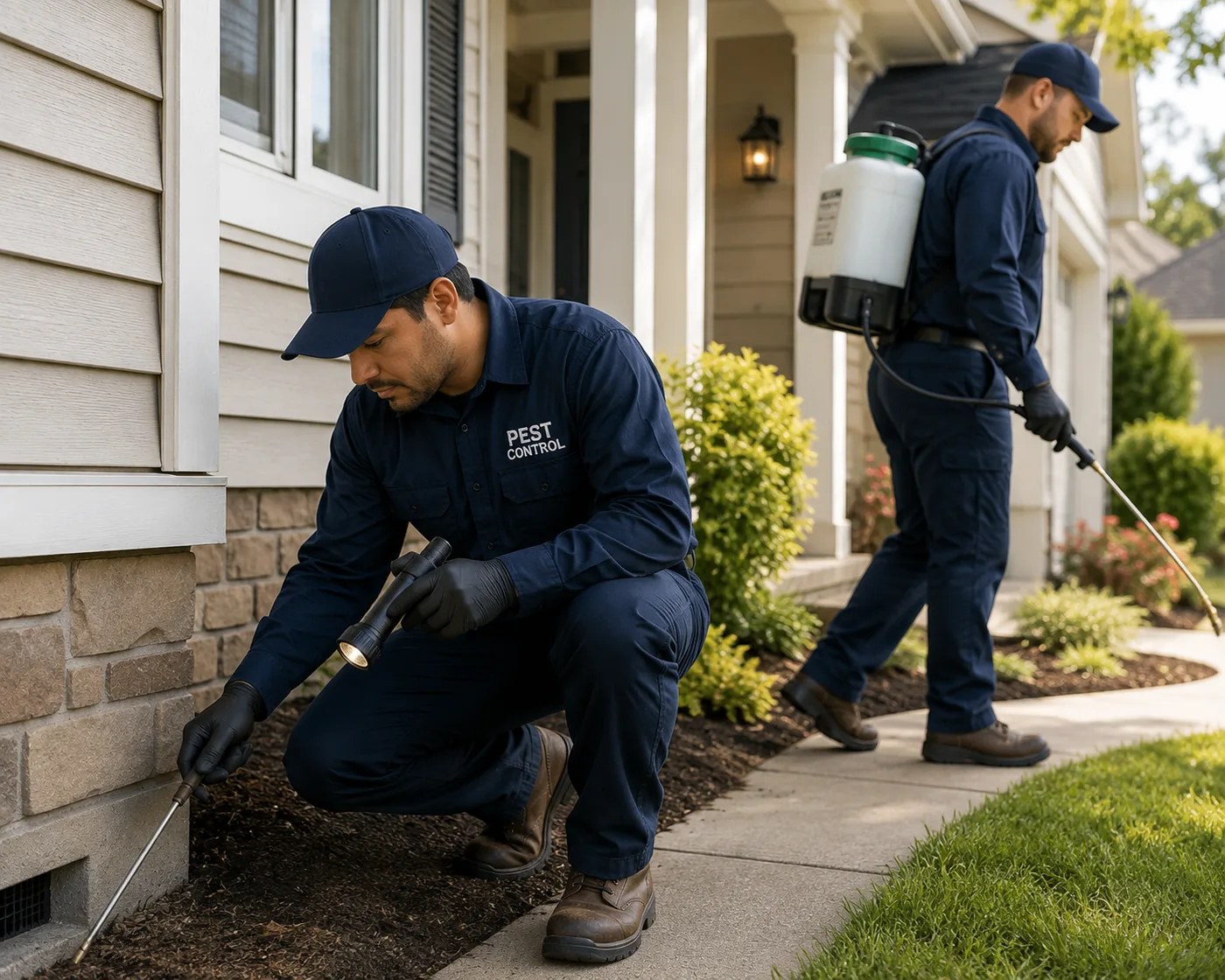
A typical barrier treatment is applied to foliage, under decks, and in other damp, shaded resting spots. It kills mosquitoes that land there and leaves a short residual effect that fades with rain, mowing, and new growth. It does not treat the air over the whole yard, and it does not stop a mosquito that flies straight from next door to your arm.
That is why timing and coverage matter more than promises. Treatments are usually repeated through the season because new adults keep emerging and arriving. Dense shrubs near a patio matter more than open lawn in full sun, where mosquitoes rarely rest. If a provider cannot explain where the product goes and why, that is a useful warning sign.
| Option | Best for | Main limit | Your part |
|---|---|---|---|
| Dump and scrub standing water | Buckets, saucers, toys, and small containers | Only works if repeated weekly | Walk the yard after rain |
| Barrier treatment | Patios and seating areas with shrubs nearby | Adults still fly in from off the property | Keep people and pets off until dry, per label |
| Larvicide for fixed water | Rain barrels, ponds, and water that stays | Does nothing for adult mosquitoes | Reapply on the label schedule |
| Fans on the patio | One table or porch while you are sitting there | Protects only the moving air nearby | Run it whenever you are outside |
| Repellent and clothing | Yard work, walks, and travel off your property | Must be reapplied as directed | Use an EPA-registered repellent |
Choosing by how you use the yard
If you mainly use one deck for dinner, focus there: clear water nearby, treat the shrubs around it, and add a fan. Mosquitoes are weak fliers, and moving air alone makes it harder for them to land. If kids play across the whole yard, source reduction matters even more, because a treatment focused on one corner will not follow them.
For a one-time outdoor event, tell the provider the date and ask what timing makes sense. A treatment done too early can fade, and one done the same afternoon may still be wet when guests arrive. For a wooded lot next to a creek, set expectations lower from the start. You can improve a seating area a lot. You cannot clear the woods.
What not to expect, and what to watch
Bug zappers feel productive because they crackle, but they mostly kill insects that were not coming for you, and they do little for mosquitoes. Citronella candles help only in the small pocket of air right around them. Whole-yard fogging right before a party gives a brief knockdown and then the yard refills. None of these replaces removing water.
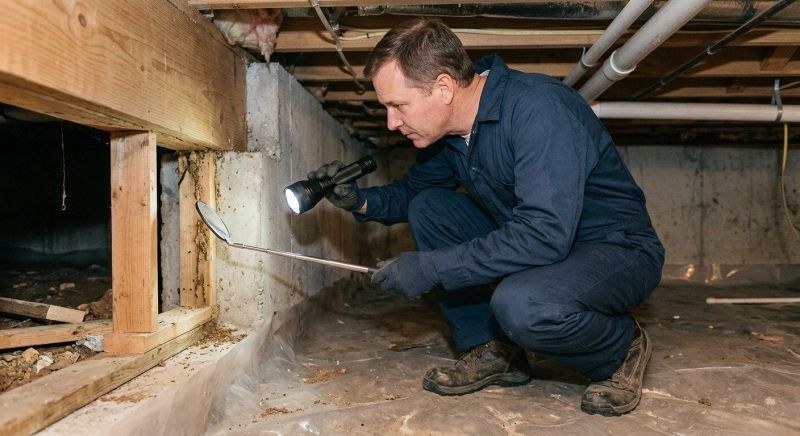
Watch results over two or three evenings, not one. A windy night will feel better with no treatment at all, and a still, humid night after rain will feel worse even with one. If bites stay heavy around the house, look again for water, thick ground cover against the foundation, and a gutter that holds water long after the storm. In Concord, Concord Pest Control Pros can help sort a yard treatment plan, but the weekly water walk remains yours, and it is the part that pays off longest.
Common questions
How long does a mosquito yard treatment last?
Residual effects typically fade over a few weeks, faster with heavy rain and new plant growth. That is why seasonal programs repeat treatments instead of doing one visit in spring.
Can a treatment keep all mosquitoes out of my yard?
No. It reduces adults resting and breeding on your property, but mosquitoes fly in from nearby yards and woods. Expect fewer bites near treated seating areas, not a mosquito-free lot.
What is the single most useful thing I can do myself?
Dump standing water every week and after storms. Buckets, saucers, tarps, and clogged gutters produce far more mosquitoes than most homeowners realize.
Photos in this guide are representative stock images.
← All guides from Concord Pest Control Pros← Back to Concord Pest Control Pros